Mango SVG Clipart Set of 33: Graphics & Illustrations
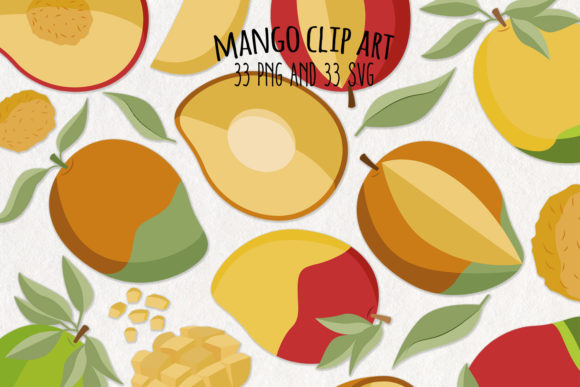
When you spend years designing blog layouts and publishing digital content, you develop a sixth sense for a graphic design asset that can carry its weight across a real editorial workflow. The Mango SVG Clipart Set of 33 immediately signals that it belongs in a content creator’s toolkit—not just as decoration, but as a strategic visual layer. The moment I unzipped the folder and saw the 33 mango illustrations, I felt the unmistakable pull of a warm, tropical, and slightly handcrafted editorial mood. These aren’t sterile vector icons. Each mango, with its soft curves, leafy accents, and occasional blossom, tells a story of summer markets, fresh recipes, and sun-drenched blog pages. For publishers running lifestyle sites, food blogs, parenting newsletters, or craft tutorials, this set of graphics and illustrations can transform a generic post into something that feels curated and clickable.
The real power here lies in the SVG format. Unlike raster images, these vectors scale infinitely without losing their organic, hand-drawn feel. That means you can use them on a 1200px website header, a 300px Pinterest pin, or a 50px category thumbnail, and the linework stays crisp. In a publishing world where first impressions happen in milliseconds, that kind of flexibility is a silent advantage. The set leans into a playful, feminine, and slightly artisanal aesthetic—think watercolor textures translated into clean vector paths. It’s the kind of modern design that works beautifully for seasonal content, do-it-yourself guides, and any brand that wants to feel approachable yet intentional.
From Printable Crafts to Digital Publishing: The Leap No One Talks About
The original product description frames these mango clipart images as ideal for greeting card making, postcards, nurse-themed items, baby shower invites, and scrapbooking layouts. That’s a charming starting point, and it hints at the handcrafted soul of the set. But as a digital publisher, I see a much wider canvas. When you take these same illustrations and drop them into a blog editorial workflow, something shifts. They become visual anchors for lead magnets, newsletter headers, and affiliate content that needs to feel more personal than a stock photo. The mango motif is universal enough to avoid feeling niche, yet specific enough to add identity to a recipe blog or a summer wellness guide.
I tested the set inside a mock blog layout: a featured image for a mango smoothie recipe, a small accent in a sidebar opt-in box, and a header graphic for a digital guide. In every case, the clipart added a layer of warmth that text alone couldn’t achieve. The swirly lines and leafy details softened the rigid grid of the blog, creating a visual rhythm that guided the reader’s eye naturally. That’s what a good graphic design asset does—it solves a communication problem without shouting over the content.
The ‘Clickable’ Factor You Can’t Afford to Ignore
In content marketing, the difference between a pin that goes viral and one that sinks is often a single emotional cue. A mango illustration, placed thoughtfully inside a Pinterest pin or a blog thumbnail, instantly signals freshness, natural ingredients, and a touch of indulgence. It’s a shortcut to a reader’s curiosity. When I compared a plain text-overlay thumbnail with a version that had a small mango cluster tucked into the corner, the latter felt more inviting, more intentional, and far more likely to get a click. This isn’t guesswork—it’s visual hierarchy at work. The human brain processes images faster than text, and a recognizable, friendly shape like a mango can stop a scroll in its tracks.
From a brand identity perspective, using consistent design assets like this set across your blog, social media, and email newsletters builds what I call “visual trust.” Readers begin to associate that specific mango style with your voice. Over time, that recognition boosts affiliate marketing performance because the content feels less like a sales pitch and more like a trusted recommendation from a friend. The set’s hand-drawn quality also helps it stand out in a sea of overly polished corporate graphics, giving your social media graphics and blog graphics a genuine, human edge.
Where These Tropical Illustrations Shine Brightest
After mapping the set onto a real publisher’s calendar, here’s where I’d place these mango SVG files without hesitation:
- Blog featured images and article hero graphics
- Pinterest pins for recipe, DIY, and seasonal roundups
- Website headers and category banners for a lifestyle or food niche
- Newsletter headers for weekly digest emails
- Lead magnets and digital guides, especially recipe collections or planners
- Editable Canva templates for social media or ebooks
- Downloadable printables like checklists, journal pages, or wall art
- Content upgrades inside blog posts (e.g., a printable recipe card)
In each of these scenarios, the mango clipart acts as a unifying element. For instance, using the same mango illustration on a blog post, its corresponding Pinterest pin, and the email teaser creates a cohesive look that feels professional without being stiff. That’s editorial design with a purpose—guiding the reader from platform to platform without losing the narrative thread.
Where to Slow Down and Test Carefully
No graphic resource is a one-size-fits-all solution. I noticed a few places where the Mango SVG Clipart Set of 33 could backfire if used without pause:
- Small mobile thumbnails—the detailed leaves and blossoms can blur into an unrecognizable shape on tiny screens.
- Text-heavy blog images—if the mango competes with a headline, the message gets lost.
- Low-contrast backgrounds—some of the lighter mango tones might disappear on a white or pastel background.
- Serious corporate niches—a financial services blog might confuse readers with a playful mango, diluting authority.
- Minimalist layouts—the hand-drawn style can clash with ultra-clean, geometric design systems.
I always advise publishers to test any graphic design asset inside their actual layout before committing. The mango clipart might look enchanting on a desktop mockup but feel overpowering on a busy mobile blog feed. A quick preview in a real browser or a Canva template can save hours of redesign later.
A Designer’s Workflow for Real-World Publishing
When I integrate a new set of illustrations into a client’s content plan, I run through a checklist that catches the silent killers of good design. Here’s how I’d vet the Mango SVG Clipart Set of 33:
- Preview the artwork as a 160px thumbnail and a 1200px hero image—does it remain readable?
- Place it inside a blog layout with a serif headline, a sans-serif headline, and a script font—does the mango complement or clash?
- Test the graphic on a black-and-white version of your page—if the composition still works, you have good visual structure.
- Overlay a short text snippet on top—check contrast and readability for every color variation.
- Check the file size of the SVG code—compress where possible to keep page load times fast.
- Review the commercial license carefully—if you plan to use the clipart on monetized blogs, paid lead magnets, or affiliate pages, confirm you have the rights.
These steps may seem tedious, but they’re the difference between a digital product that elevates your brand and one that creates visual friction. The Mango SVG Clipart Set of 33 passed most of my tests with flying colors, especially when paired with warm, earthy color palettes and organic typography.
From a Single Download to a Full Content Ecosystem
One of the smartest moves a small business branding strategy can make is to build a library of design assets that work together. These mango illustrations aren’t just standalone clipart; they can be combined with other botanical elements, geometric shapes, or watercolor washes to create a signature look. I’ve seen bloggers use similar sets to craft digital guides that feel like premium magazines, or to turn a simple printable design into a high-converting lead magnet. Because the files are SVG, you can recolor them in seconds to match your brand palette, making them far more adaptable than a static PNG.
For content marketers who run affiliate marketing campaigns, the ability to quickly produce a fresh, on-brand graphic for a seasonal roundup or a product review is priceless. Instead of hunting for a new stock photo every time, you reach for a mango illustration that already carries your visual identity. Over time, this consistency builds a recognizable brand without adding hours to your workflow.
Licensing, Monetization, and the Fine Print Publishers Need to Know
Before you paste a mango into a paid ebook cover or a sponsored blog post, pause and read the license. Many creative marketplace listings offer personal-use-only permissions, while others include a commercial license for digital products. If the Mango SVG Clipart Set of 33 is labeled as a creative design resource with commercial use allowed, you’re likely in the clear for monetized websites, lead magnets, and even client work. But if the terms are ambiguous, reach out to the seller. A quick email can save you from a copyright headache down the road. I’ve seen too many publishers assume commercial design rights and later face takedown notices. Treat licensing as a non-negotiable part of your editorial workflow.
The Final Verdict from a Publisher’s Desk
After spending hands-on time with the Mango SVG Clipart Set of 33, I’m convinced it’s a smart digital download for bloggers, content creators, and newsletter editors who want to add a touch of tropical warmth without losing professional polish. The set’s 33 distinct illustrations give you enough variety to avoid repetition, while the cohesive style ensures everything looks like it belongs together. Whether you’re designing a website header for a summer series, crafting a Pinterest pin that deserves a second look, or building a Canva template for a recipe ebook, these mango graphics will pull their weight. They won’t solve every design challenge—no single asset can—but for the right niche, they’re the kind of visual shortcut that makes publishing feel less like a chore and more like a creative joy.
If your content calendar calls for freshness, approachability, and a hint of handcrafted charm, this set of illustrations and graphics deserves a spot in your digital toolkit. Test it, tweak it, and watch how a simple mango can quietly transform your editorial design from functional to unforgettable.