Kiwi Venti Cup Embroidery: A Fresh & Modern Design
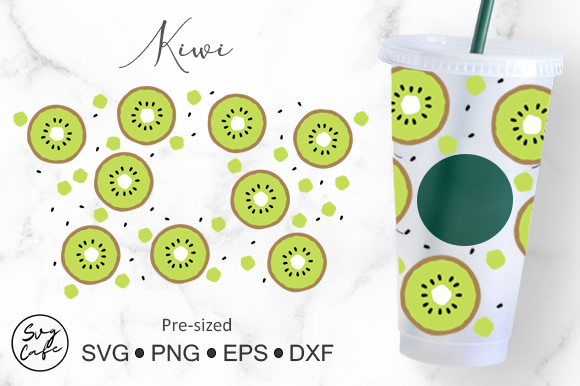
When a design arrives labeled simply as 24oz Venti Cold Cup Kiwi, I instantly picture a specific audience. It’s not a generic beverage icon; it’s a statement. This is a design for the modern crafter, the small business owner who knows their customer loves a crisp, clean, and slightly quirky aesthetic. My first impression is one of cheerful minimalism. The kiwi slice nestled against the cup creates a playful yet sophisticated layout, perfect for today’s handmade market.
Where This Design Finds Its Perfect Home
In my work, I always envision a design’s natural habitat. For this kiwi cup, I immediately think of a boutique tote bag. Imagine a high-quality canvas tote, perhaps for a local coffee shop or a farmer’s market vendor, embroidered with this graphic. It feels fresh, contemporary, and slightly unexpected—a great conversation starter. It would also shine on a lightweight sweatshirt, a linen apron for a home baker, or a crisp cotton pillow cover in a sunny kitchen. The theme is casual and fun, making it ideal for personalized gifts or small shop merchandise aimed at a younger, style-conscious crowd.
A Real-Life Scenario: The Custom Baby Gift
Let’s walk through a practical scenario. A client requests a unique baby gift—something beyond the typical motifs. I pull up this 24oz Venti Cold Cup Kiwi embroidery file. On a soft organic cotton baby blanket or a tiny knit hat, this design transforms. It’s not a cartoon animal; it’s a stylish, almost aspirational graphic for the cool, modern parent. It whispers “handmade with contemporary taste.” This is the kind of detail that elevates a simple baby item into a cherished, boutique-level product. Customer reaction here would be positive surprise, appreciating the unique twist.
Performance on Real Projects: Stitching Considerations
For actual embroidery work, the design’s success hinges on its detail level. The kiwi seeds and the cup’s outline will require attention. On custom apparel like t-shirts or stretchy fabric, a sturdy stabilizer is non-negotiable to preserve those clean lines. For a dense fabric like a sweatshirt, the fill stitch areas should look plush and defined. I would strongly advise testing on scrap fabric first, especially to check the thread color contrast for the kiwi flesh against the cup. A pale green against a white satin stitch cup needs just the right hue to pop.
When considering embroidered patches or caps, the curved surface of a hat presents a challenge. The design’s relatively balanced, vertical layout should adapt well, but those detailed corners around the kiwi slice need a clean stitch path. For dark fabric, you’ll want to ensure your digitized file—especially the provided PNG for mockups—has clear boundaries. Always compare how it looks on light and dark backgrounds in a printable mockup before committing thread.
Where to Exercise Some Caution
This design belongs on projects where its personality can shine. I’d use it carefully on very small hoop sizes. Shrinking it down too much might compromise the clarity of the kiwi details and the lettering, losing that crisp appeal. Highly textured fabrics like certain towels or blankets could muddy the clean lines. And for products destined for frequent washing, like kitchen towels, ensuring a robust stitch density with quality thread will maintain that professional, long-lasting look that builds customer trust.
The Business Impact: From Stitch to Sale
From a commercial perspective, this 24oz Venti Cold Cup Kiwi design adds value. For an Etsy seller or craft fair vendor, it offers a fresh option in the crowded crafts and graphics space. Its visual appeal is direct and engaging, lending a handmade presentation that feels both fun and professional. It supports brand consistency for a business focusing on modern, food-inspired, or lifestyle-themed products. As a gift, it’s highly giftable—it’s specific enough to feel thoughtful but broad enough to appeal to many.
Using it in digital product previews or as part of a larger collection of design assets for commercial embroidery projects works well. The included file formats—SVG, EPS, DXF, PNG—cover both embroidery and broader graphic use, which is excellent for creative entrepreneurs. However, a crucial note: always confirm the licensing terms provided with the download before selling finished items or digital products derived from the file. This protects your business and respects the designer.
Practical Designer Notes Before You Hoop
Before you run this machine embroidery design, make these checks. Test a small section, perhaps just the kiwi slice, on your intended fabric scrap. Review the stitch density in your software; the cup’s solid areas should be smooth without being overly dense. Confirm your hoop size can accommodate the design at the size you want—remember, the SVG and EPS are pre-sized, but PNG and DXF need resizing using the dimensions included. Inspect the small details in your embroidery file preview: are the seeds distinct? Does the cup outline flow cleanly?
Finally, think about its application. Does it work for both a personal project and a commercial one? Often, a design like this does, but verification is key. With its cheerful, clean personality, the 24oz Venti Cold Cup Kiwi is more than just a graphic; it’s a versatile tool for creating embroidered products that feel current, friendly, and deliberately crafted. It’s a design that invites a smile, and in the handmade world, that’s a powerful start.